
The most common first-Tokyo mistake is pinning 47 places on Google Maps and trying to hit all of them. By noon on Day 2 — somewhere between the Nakamise crowds and a Skytree queue — most first-timers realize they're spending the trip looking at their phone instead of the city. The plan below is not the "must-see" list you've already read a hundred times. It is the rhythm that actually works in Tokyo: two focus zones per day, one hotel for the whole trip, and enough slack to follow a good smell down a side street.
If you only have time to read one thing, here it is: stay in Shinjuku for four nights, buy a 72-hour Tokyo Metro pass, book Shibuya Sky and DisneySea now, and skip Odaiba unless you have a specific reason. Everything that follows is the unpacked version.
At a glance: the 5-day map
| Day | Morning zone | Afternoon zone | Evening |
|---|---|---|---|
| 1 | Land at NRT or HND, Shinjuku check-in | Walk Shinjuku, Omoide Yokocho | Metropolitan Government observatory (free, night skyline) |
| 2 | Asakusa · Senso-ji · Skytree | Ueno Park · Ameyoko market | Akihabara electric town (optional) |
| 3 | Meiji Shrine · Harajuku | Omotesando · Shibuya Scramble | Shibuya Sky sunset (reserve ahead) |
| 4 | Tokyo DisneySea (open to close) | Fantasy Springs until dusk | Back to Shinjuku, late ramen |
| 5 | Tsukiji outer market breakfast | Ginza · last-mile shopping | Airport 4 hours before flight |
Pre-trip setup: flights, hotel, data
Flights: when to book, when to skip
Start tracking prices eight weeks out. Cherry-blossom weeks (late March to the first week of April) and autumn-leaf weeks (mid- to late November) carry 35–50% premiums on both flights and hotels. If you are price-sensitive and don't need the sakura photos, target late April, June (pre-rainy-season), or the first two weeks of December — these are the "cheap shoulders" locals and repeat visitors quietly exploit.
We use Trip.com's flexible-dates view to find the cheapest day in a ±3-day window. On a recent Singapore–Tokyo search, moving the departure two days earlier dropped the fare by SGD 180.
Hotel: one base beats three
The single most common itinerary mistake we see is splitting the five days across two or three hotels "to save travel time between neighbourhoods." It does not save time. It costs you two mornings in check-out lines and one afternoon dragging luggage through a station. Stay in one hotel for all four nights.
Shinjuku is the correct base for a first trip because three different transport systems converge there: JR Yamanote (airport connection and ring line), Tokyo Metro Marunouchi/Fukutoshin (for the west and north), and the Narita/Haneda limousine buses. You can reach Asakusa in 28 minutes, Shibuya in 7, and Tokyo Disney in 45.
Mid-range names that come up again and again in traveller reports for this area: Mitsui Garden Hotel Shinjuku Premier, Hotel Gracery Shinjuku (the Godzilla one), and Sotetsu Fresa Inn Shinjuku. For budget, UNIZO Inn Shinjuku and Toyoko Inn Shinjuku Kabukicho deliver tiny but clean rooms with good soundproofing.
Connectivity: eSIM, not pocket Wi-Fi
In 2026 there is little reason to rent a pocket Wi-Fi unless you are travelling as a group of four or more sharing a single device. An eSIM you buy before the flight, install at the gate, and activate on landing gets you online the moment you step off the jet bridge, saves a 10–40 minute airport kiosk line, and costs less than rental Wi-Fi for a solo traveller. We compared five Japan eSIM brands in our eSIM head-to-head.
Day 1|Land soft, don't over-book
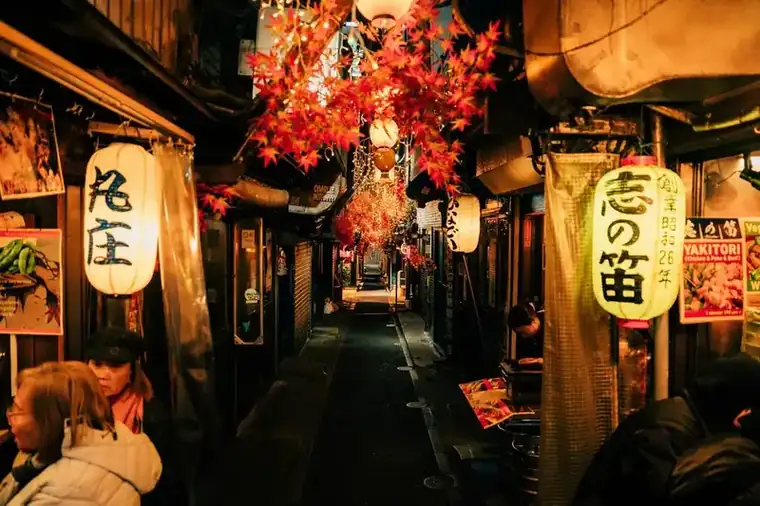
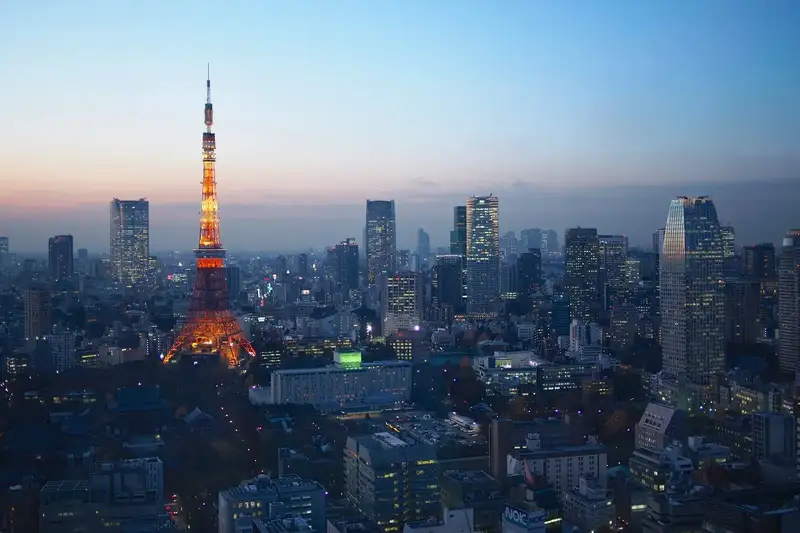
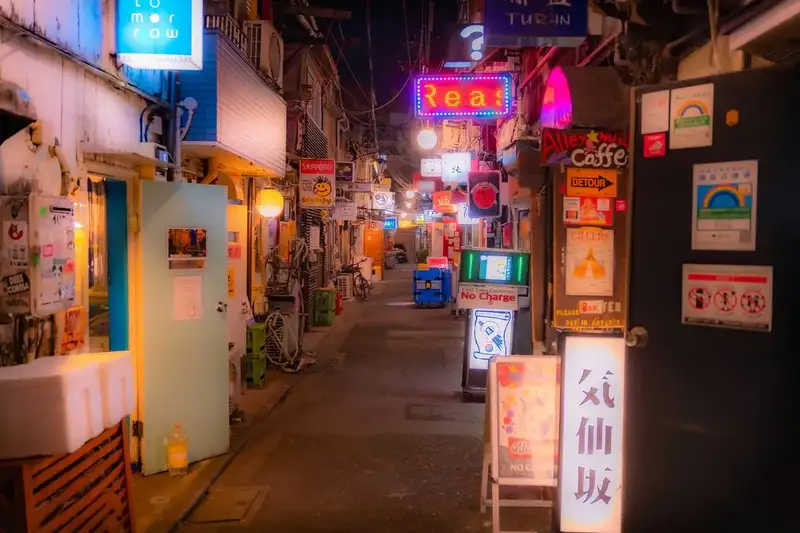
After immigration, baggage claim and the airport transfer into Shinjuku, you have maybe three usable daylight hours left. Do not schedule anything ticketed. Drop bags at the hotel (most will accept early luggage even if check-in is 3 pm), walk a ten-minute loop around Omoide Yokocho, sit down to tsukemen, and when night falls go to the free observatory on the 45th floor of the Tokyo Metropolitan Government Building. The south deck reopened in late 2025 with shorter queues and a new digital art installation on the projection walls. For how this free deck stacks up against Tokyo Tower, Skytree and Shibuya Sky, see our Tokyo Tower vs Skytree (and the free deck) comparison.
If jet lag hits hard, skip the observatory and sleep — you will need the legs for Day 2.
Day 2|Old Tokyo: Asakusa, Skytree, Ueno
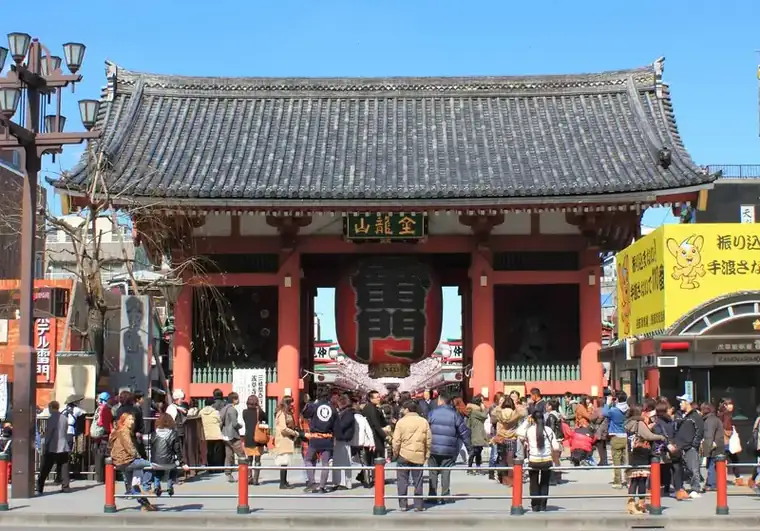
Leave the hotel by 8:30 am and take the Metro Ginza line to Asakusa. Senso-ji before 10 am is a different temple than Senso-ji at 2 pm — the light is softer, the selfie-stick crowd is an hour behind you, and the shopkeepers on Nakamise-dori still have patience for questions. Buy a taiyaki (fish-shaped cake) at the north end and eat it on the Sumida River promenade.
From Asakusa, you have two routes to Tokyo Skytree: a 20-minute walk across the Azumabashi bridge, or a 5-minute ride on the Tobu Skytree line. Walk if the weather is clear — the bridge view is free and better than any observation ticket. Inside Skytree, the Tembo Deck (350 m) is enough unless you're a completionist; the extra charge for Tembo Galleria (450 m) buys you mostly the same photo.
If the JR-versus-Metro-versus-Toei tangle is new to you, our Tokyo trains and subway guide untangles which operator runs which line and when a transfer means tapping out and back in.
Afternoon: Metro to Ueno. The Ameyoko street market under the JR tracks sells ¥500 sushi sets, discount cosmetics and grilled scallops. The National Museum (inside Ueno Park) deserves two hours if you have any interest in Japanese history; the Buddhist sculpture hall alone is worth the ¥1,000 entry.
Evening (optional): Akihabara is one station south on the Yamanote line. Skip it if anime electronics is not your thing — there is no "you had to see it" here beyond the advertising surface. If it is your thing, Super Potato for retro games and the GachaPon Hall Kanda Myojin-shita for capsule toys are the two stops most worth your time. One thing to check if your trip lands in mid-May: Chuo-dori through Akihabara is an official leg of the Kanda Matsuri procession route, and the shrine's own timetable puts the parade here at around 17:10. That afternoon Akihabara is a street the procession takes over, not one you browse — though the festival runs in odd-numbered years only, and the 2027 dates have not been announced. A connection almost nobody plans: Suidobashi, and Tokyo Dome right outside it, is two stops west of Akihabara on the Chuo-Sobu line — on a Giants home night the cheapest seats go for ¥2,000, cheaper than most sightseeing. The real trap is not the price but sitting in the wrong block, because the home and visitor cheering sections each come with their own rules.
Day 3|Trend loop: Meiji Shrine to Shibuya Sky
Start at Meiji Shrine, the most peaceful forest inside a megacity. Enter from the JR Harajuku side, walk the evergreen-forest approach, pay respects at the main hall, and exit toward Yoyogi Park. The whole loop is 70–90 minutes and by far the best morning breath-reset you will get in central Tokyo. Gate hours shift every month with the sunrise — the full monthly table, goshuin desk and inner garden are covered in our complete Meiji Shrine guide.
Takeshita-dori in Harajuku is worth exactly one crepe and one people-watching walk-through — about 25 minutes. The honest magic of this area is one street south, on Omotesando. Tadao Ando's concrete Dior building, Kengo Kuma's woven-wood SunnyHills, and the Omotesando Hills mall (also Ando) make the street a free architecture museum. Lunch at Maisen tonkatsu in a converted 1920s bathhouse.
After lunch, walk down Cat Street to Shibuya (25 minutes, mostly downhill, with far better shopping than the main road). Shibuya Scramble is most dramatic from the Starbucks on the second floor of the Tsutaya building, which is free and more comfortable than the paid observation decks. Cross the scramble twice — once for the experience, once for the photo.
For sunset, Shibuya Sky on the roof of Shibuya Scramble Square is the single best skyline view in Tokyo, bar none. The open-air deck faces Mt. Fuji on a clear day. Reserve 10–14 days ahead for the sunset slot (30 minutes before sundown on your travel date). Slots sell out in this order: sunset → one hour before sunset → one hour after sunset → afternoon. If sunset is gone, the 30-minutes-before slot is functionally identical.
Day 4|DisneySea: the full-day commitment
If you have exactly one theme-park day and this is your first Tokyo trip, choose DisneySea over Disneyland. There is only one DisneySea in the world, the aesthetic (Venetian canals, Arabian harbour, volcanic island) is unlike any other Disney park, and the Fantasy Springs expansion that opened June 2024 — Frozen, Tangled and Peter Pan zones — has rides that exist nowhere else.
There is no free skip-the-line pass for the Fantasy Springs rides: either queue, or buy Disney Premier Access (¥2,000–2,500 per ride) in the official Tokyo Disney Resort app once you are through the gate. Install the app before your trip, link it to your ticket QR, and buy your first-choice ride right after entry — numbers are limited, and your next DPA only unlocks 60 minutes later or when the first one's time window starts. For which attractions are actually worth the surcharge, see our Tokyo Disney Premier Access guide.
A practical order for a 9 am–9 pm day: Anna & Elsa's Frozen Journey (DPA), Soaring Fantastic Flight, Tower of Terror, lunch in Mediterranean Harbor, Journey to the Center of the Earth, Peter Pan's Neverland (DPA or standby), dinner at Cape Cod Cook-Off, 20,000 Leagues Under the Sea, close with the night show "Believe! Sea of Dreams" on the harbour.
Buy tickets ahead — gate-sold day tickets have been intermittently unavailable since 2023 due to crowd control.
Day 5|Tsukiji, Ginza, and the long goodbye
Leave your bags with the hotel (most will hold luggage for free after checkout). Take the Metro to Tsukiji station and walk five minutes to the Tsukiji Outer Market. Contrary to the rumours, the market did not close in 2018 — only the wholesale operation relocated to Toyosu, on 11 October 2018. The outer market (food stalls, knife shops, tamagoyaki makers) is very much alive and more visitor-friendly than ever, and the Chuo City-run Tsukiji Uogashi next to it houses around 60 retailers. If the fish auction is what you actually came for, that is Toyosu — and you do not need to win the lottery to see it, as our Toyosu Market guide explains, along with which days the market is shut entirely.
Breakfast targets: Tsukiji Sushi Sei for omakase sushi (~¥4,000), Yamachou for grilled eel skewers, Marutoyo for tamagoyaki, and the tuna-cheek skewers at Kitsuneya. Arrive at 9 am, not earlier — that is the official recommendation on both counts: Tsukiji Outer Market's own FAQ suggests 9:00 to 14:00 for sightseeing, and Tsukiji Uogashi states outright that 5:00 to 9:00 is reserved in practice for professional buyers. Every shop is trading from 7:00 to 14:00, but turning up before nine mostly means blocking the aisle for people working. By 11 the lines double. One etiquette rule worth respecting: eat where you bought it — the market's published code says walking while eating obstructs other pedestrians.
After breakfast, walk 15 minutes north to Ginza for last-mile shopping. The Uniqlo Ginza flagship (12 floors) is the most efficient shopping you'll do all trip. Itoya, the 18-floor stationery store on Ginza-dori, is a rabbit hole for gift hunters. Depachika (basement food halls) at Mitsukoshi and Matsuya are where you buy the good stuff to take home — wagyu jerky, matcha chocolates, sake-lees pickles that TSA will not confiscate.
Leave for the airport at least 4 hours before your flight. Narita Express from Shinjuku is 80 minutes; Haneda via Keikyu line is 40 minutes.
Realistic 5-day budget (per person)
| Category | Economy | Comfort | Notes |
|---|---|---|---|
| Flights (round trip) | ¥60,000 | ¥105,000 | Shoulder-season economy vs. peak-season premium economy |
| Hotel (4 nights) | ¥48,000 | ¥96,000 | UNIZO Inn vs. Mitsui Garden, per person sharing double |
| Transit | ¥6,000 | ¥9,000 | Metro 72-h pass + Suica top-up + airport transfer |
| Food | ¥18,000 | ¥30,000 | Conveyor sushi + ramen lunches vs. one omakase dinner |
| Tickets (Disney + Sky) | ¥21,000 | ¥27,000 | Disney 1-Day Passport ¥8,900–12,400 (dynamic) + Shibuya Sky ¥2,700 before 15:00 / ¥3,400 after; the balance covers the other paid stops on this plan |
| Shopping / gifts | ¥15,000 | ¥45,000 | Highly personal — this is the elastic line |
| eSIM + insurance | ¥6,000 | ¥9,000 | 7-day unlimited eSIM + trip-delay insurance |
| Total | ¥174,000 | ¥321,000 | Honest range for 2026 |
Which season should you pick?
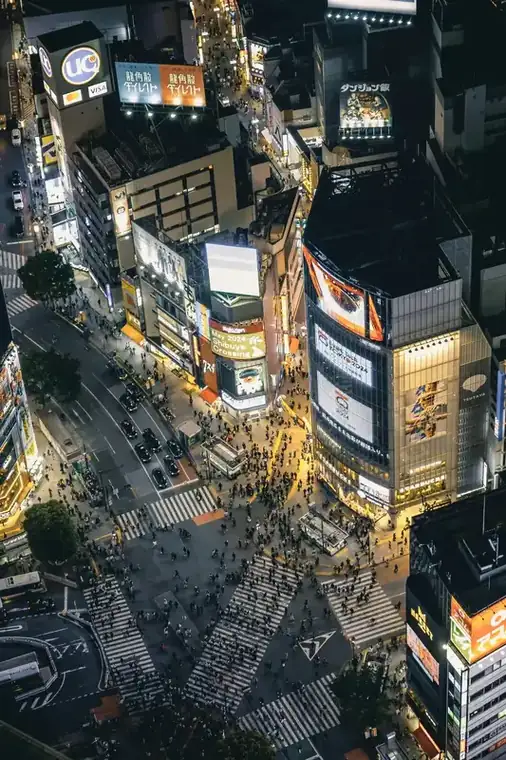
Each Tokyo season has a different personality and budget. Here is the honest trade-off.
Spring (late March to early April): Cherry-blossom peak. Meguro River, Chidorigafuchi moat and Ueno Park are ethereal. Downside: hotel rates climb steeply and rooms go early, blossoms last 7–10 days and are weather-dependent. If you're flying across an ocean for the sakura specifically, build a ±10-day window and book refundable hotels.
Early summer (late April to mid-June): Our favourite. Hydrangeas in Kamakura, greenery at its most vivid, hotel prices off their sakura-week highs. Mid-June brings the rainy season (tsuyu) — real rain but usually short bursts, and fewer tourists.
Summer (July to August): Hot, humid, fireworks. Sumida River Fireworks (late July) and Jingu Gaien Fireworks (mid-August) are once-in-a-lifetime, but be realistic about the heat: the JMA 1991-2020 normals for Tokyo give an August daily maximum of 31.3°C and a daily minimum of 23.5°C, with humidity around 74-76% — so evenings cool off more than the widely repeated "32°C nights at 85% humidity" suggests, and no month in Tokyo averages 85%. Pack moisture-wicking clothes and embrace the convenience-store air conditioning as a tourist attraction.
Autumn (October to early December): Arguably the best window. November leaves at Rikugien Garden (nighttime illumination), Meiji Gaien's ginkgo avenue turning gold, and weather in the 12–18°C range. Hotel rates sit below the spring peak.
Winter (December to February): Clear skies, Mt. Fuji visible from Shibuya Sky on most days, no rain. Christmas illuminations across Roppongi, Omotesando and Marunouchi rival anywhere in the world — for a full breakdown of the five best venues, see our guide to Tokyo's winter illumination venues. Cold (3–10°C) but dry — pack layers, not a ski jacket.
Should you add a Mt. Fuji day trip?
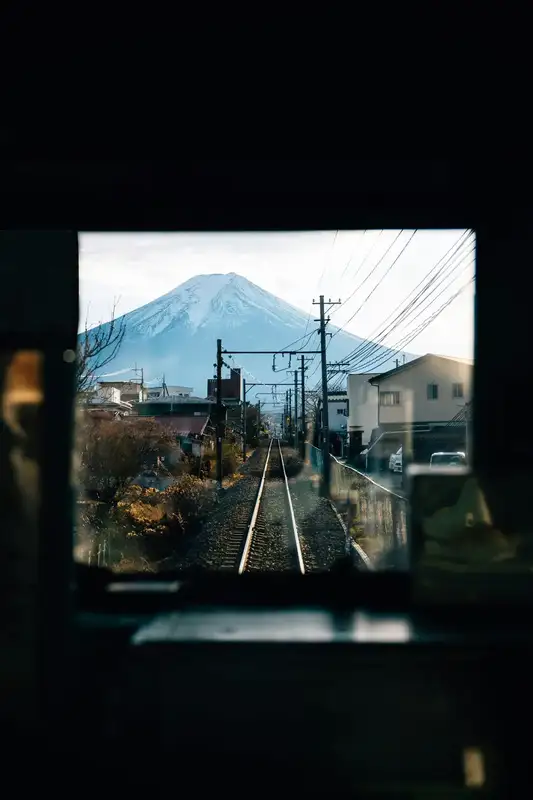
Can you add Mt. Fuji and still keep Disney? Short answer: no, not comfortably. A proper Mt. Fuji day trip (Kawaguchiko, the Arakurayama Sengen pagoda view, Oshino Hakkai) is a 12-hour door-to-door commitment. On a 5-day trip, the math does not work unless you cut Day 4.
Three options:
- Extend to 6 days. Add a dedicated Fuji day between Days 3 and 4. This is the answer most couples land on.
- Swap Disney for Fuji. If you are not a theme-park person, Fuji is the better cultural use of a day. Book a Kawaguchiko bus tour via KKday (¥9,800, English-speaking guide, pickup in Shinjuku).
- Settle for a Fuji view from Tokyo. On clear winter mornings you can see Fuji from Shibuya Sky, the free observatory at Tokyo Metropolitan Government, and the top floors of many Shinjuku hotels. For a 5-day trip, this is often the smart compromise.
Ten things first-timers get wrong
These are the Tokyo-specific traps; for the wider, nationwide version, read our first-timer mistakes in Japan and clear them all before you fly.
- Booking too many hotels. One base, four nights, no debate.
- Buying a nationwide JR Pass. For Tokyo-only, it is pure loss. See our JR Pass 2026 real-math guide.
- Packing too many shoes. You will walk 15,000+ steps a day. Bring one broken-in pair of walking shoes and one flat for dinner.
- Ignoring trash. Japan has almost no public bins. Carry a small plastic bag for wrappers and throw them out at your hotel.
- Assuming everyone speaks English. Station staff and chain hotels usually do; small ramen shops and taxi drivers usually don't. Google Translate camera mode is your friend.
- Paying cash everywhere. Suica / Pasmo IC cards work on convenience stores, vending machines, lockers and most chain restaurants. Apple Pay Suica is now accepted on iPhone — set it up before flying.
- Skipping hotel breakfast and then eating a 7-Eleven onigiri. In Tokyo, hotel breakfast (¥1,500–¥2,500) is often the best value meal of the day.
- Queuing for famous ramen. There are 5,000+ ramen shops. A 40-minute queue is almost always beaten by the unmarked shop two streets over.
- Planning to buy theme-park tickets at the gate. Tokyo Disney's ticket booths are closed, so tickets are online only. Buy ahead.
- Leaving for the airport 2 hours before the flight. Tokyo is not London. You need 4 hours door-to-gate at minimum for international.
Pre-departure checklist
- Passport valid 6+ months from entry date
- Visit Japan Web completed (faster immigration lane; takes 10 minutes)
- Travel insurance with trip-delay clause (Typhoon season adds real risk in Sep–Oct)
- eSIM purchased and installed at the gate
- Suica set up on Apple Pay or Google Wallet (iPhone 8+ works)
- Shibuya Sky + DisneySea + eSIM e-tickets saved offline
- Google Maps offline area downloaded for Greater Tokyo
- Navitime Transit app installed (better than Google for last-train times)
- ¥15,000–¥20,000 in cash for Day 1 (airport ATM or home bank)
- Power adapter: Japan uses Type A 100V, no adapter needed from US plugs, UK/EU/SG need one
Got an extra half-day to spare? Two of the easiest add-ons sit barely 30 minutes out: hop the JR line to Yokohama's Minato Mirai and Red Brick Warehouse for harbour views, Chinatown and a night skyline, or take the Tobu/Seibu line to Kawagoe's "Little Edo" warehouse old town for a half-day stroll through a preserved Edo-era street. Both slot neatly into your last day before flying home.
☔ Rain backup: Tokyo's rainy season (tsuyu) runs mid-June to mid-July, with a second wet window from typhoons in September. Save our Tokyo Rainy Day Guide — 10 indoor spots for a plug-and-play swap when the forecast turns.
Next Reads
Tokyo with Kids 2026: Stroller-Friendly Itinerary & Practical Tips
Tokyo with kids: family attractions, stroller tips, kid-friendly hotels, restaurants. Real 4-day itinerary and budget breakdown for families.

Tokyo to Mt. Fuji 2026: Bus, Train & Day Tour Compared
Tokyo to Mt. Fuji / Kawaguchiko 2026: Shinjuku highway bus ¥2,200 in 1h45 (first bus 6:45), JR Fujikaiyu ¥4,200, or a day tour. Fares, timetables, visibility.
JR Pass 2026: Is It Still Worth It? 4 Real Routes Calculated + 6 Alternatives
After the 69% price hike, only certain routes work. Four itineraries compared against 6 alternatives with exact per-route savings. Full breakeven analysis inside.

A little help for the next step.
This section contains KKday affiliate links. We may earn a commission on qualifying bookings. Check the product and checkout terms on KKday. About affiliate links ↗
Tokyo sushi bus · a meal with city views
Looking for a different Tokyo meal? Explore an open-top sightseeing bus experience combining sushi dining with city views.
The supplied description places departure near Tokyo Station and the experience at about 70 minutes. Confirm the meeting point, route, food, weather arrangements and booking cutoff for your selected date.
Added October 22, 2026. Products, discounts and availability are not guaranteed live. Confirm your dates, option, payment method and final checkout total.